.webp?w=1500&h=1000)
When launching or scaling an inflatable stand-up paddle board (SUP) brand, your most critical decision isn't the color or the logo—it's the internal construction. The manufacturing method you choose directly dictates your board's retail price, durability, and ultimately, your brand's reputation.
As a premium OEM/ODM SUP manufacturer, MANTARAL receives one common question from project managers and brand owners: "Should we use single-layer or double-layer construction?"
In this comprehensive engineering guide, we will decode the technology behind drop-stitch fabrics and help you select the most profitable and reliable construction for your target market.
The Core Truth: Everything Starts with Drop-Stitch
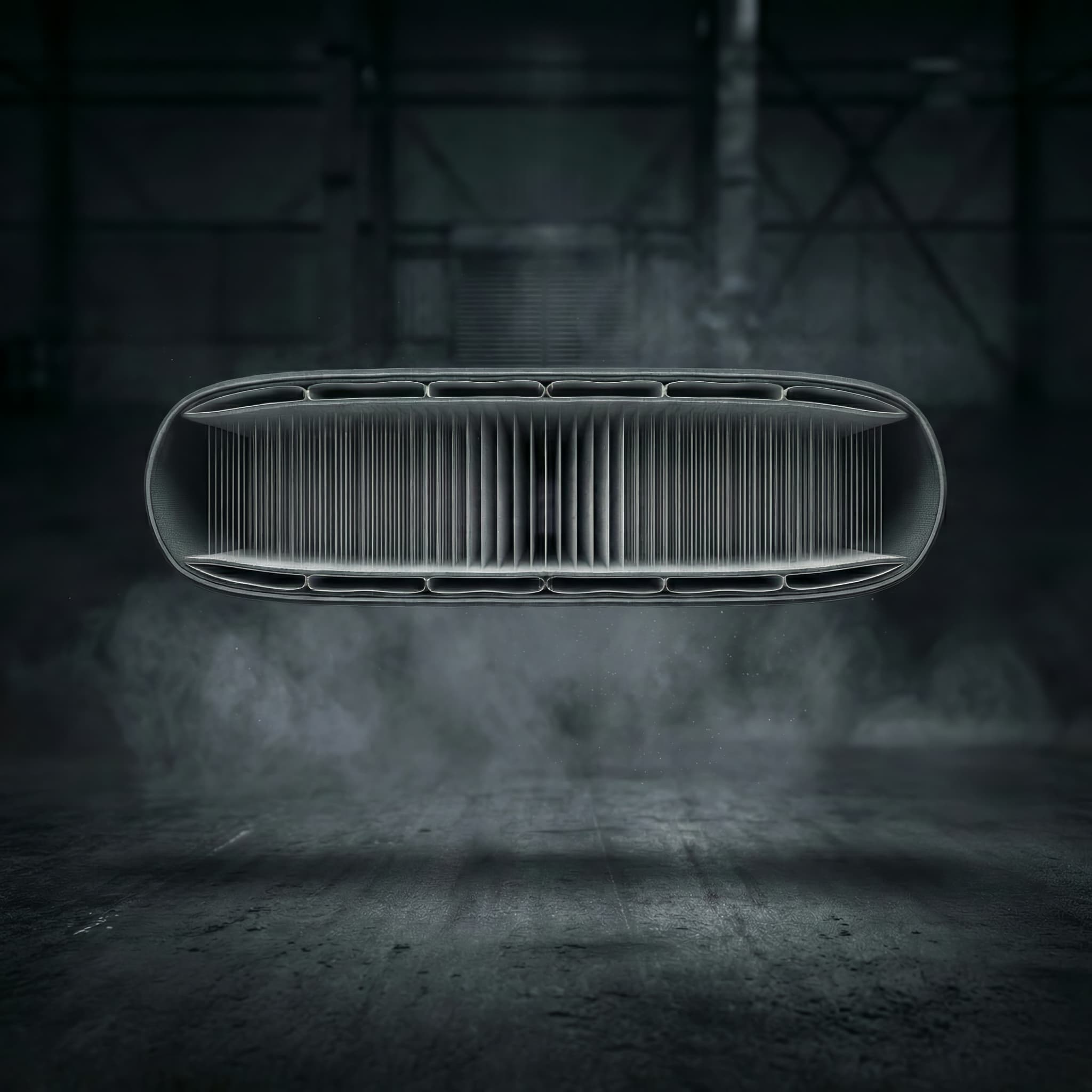
Before comparing layers, it's essential to clear up a common industry misconception. "Drop-stitch" is not an alternative to single or double layers. Drop-stitch is the foundational core of every modern inflatable SUP.
It consists of thousands of high-tensile polyester threads connecting a top and bottom woven (or knitted) fabric base. When inflated, these threads stand up, giving the board its rock-hard, flat shape. The difference between constructions lies in how the PVC skin is applied to this drop-stitch core.
1. Single Layer Construction (The Budget-Friendly Choice)
In single-layer construction, a single layer of PVC is glued directly onto the drop-stitch core.
-
The Pros: It is incredibly lightweight, easy to roll up, and highly cost-effective. This allows for excellent profit margins on entry-level boards.
-
The Cons: Single-layer boards generally have a lower maximum PSI capacity (typically around 12-15 PSI). Under heavy loads, they may exhibit flex (the "taco effect").
-
Best For: Entry-level retail brands, promotional giveaway items, and lightweight paddlers on calm lakes.
2. Traditional Double Layer Construction (The Heavy-Duty Tank)
Here, a second, separate layer of PVC is hand-glued over the first single layer.
-
The Pros: Exceptional durability and stiffness. These boards can handle higher PSI (up to 20 PSI) and resist punctures from rocks and debris.
-
The Cons: The manual gluing process adds significant weight and can sometimes lead to cosmetic imperfections or glue degradation over time if not manufactured under strict QC.
-
Best For: Heavy-duty rental fleets, whitewater river SUPs, and commercial use where durability outweighs portability.
3. Advanced Thermo-Fusion / MSL Double Layer (The Industry Standard for Premium Brands)
At MANTARAL, we highly recommend Advanced Thermo-Fusion (often referred to as MSL). Instead of manual gluing, the second PVC layer is machine-laminated (heat-welded) to the raw drop-stitch material at the raw material stage.
-
The Pros: You get the immense stiffness and durability of a double-layer board, but it is up to 20% lighter because the heavy liquid glue is eliminated. The finish is flawless, and it easily handles 15-25 PSI.
-
The Cons: Higher manufacturing cost compared to single-layer.
-
Best For: Mid-to-high-end retail brands, touring boards, racing SUPs, and brands looking to minimize warranty claims and return rates.
Conclusion: Making the Right Choice for Your ROI
There is no "bad" construction—only the wrong construction for your specific market. If you are targeting mass-market budget consumers, Single Layer is sufficient. However, if you are building a premium brand reputation, Advanced Thermo-Fusion is the undeniable standard.
At MANTARAL, our engineering team helps you navigate these choices. With our 15-Step QC Protocol and customizable drop-stitch densities, we ensure your bulk orders meet exact lab specifications.
Ready to engineer your next best-seller? Contact MANTARAL today for a custom OEM quote and material consultation.