.webp?w=1500&h=1000)
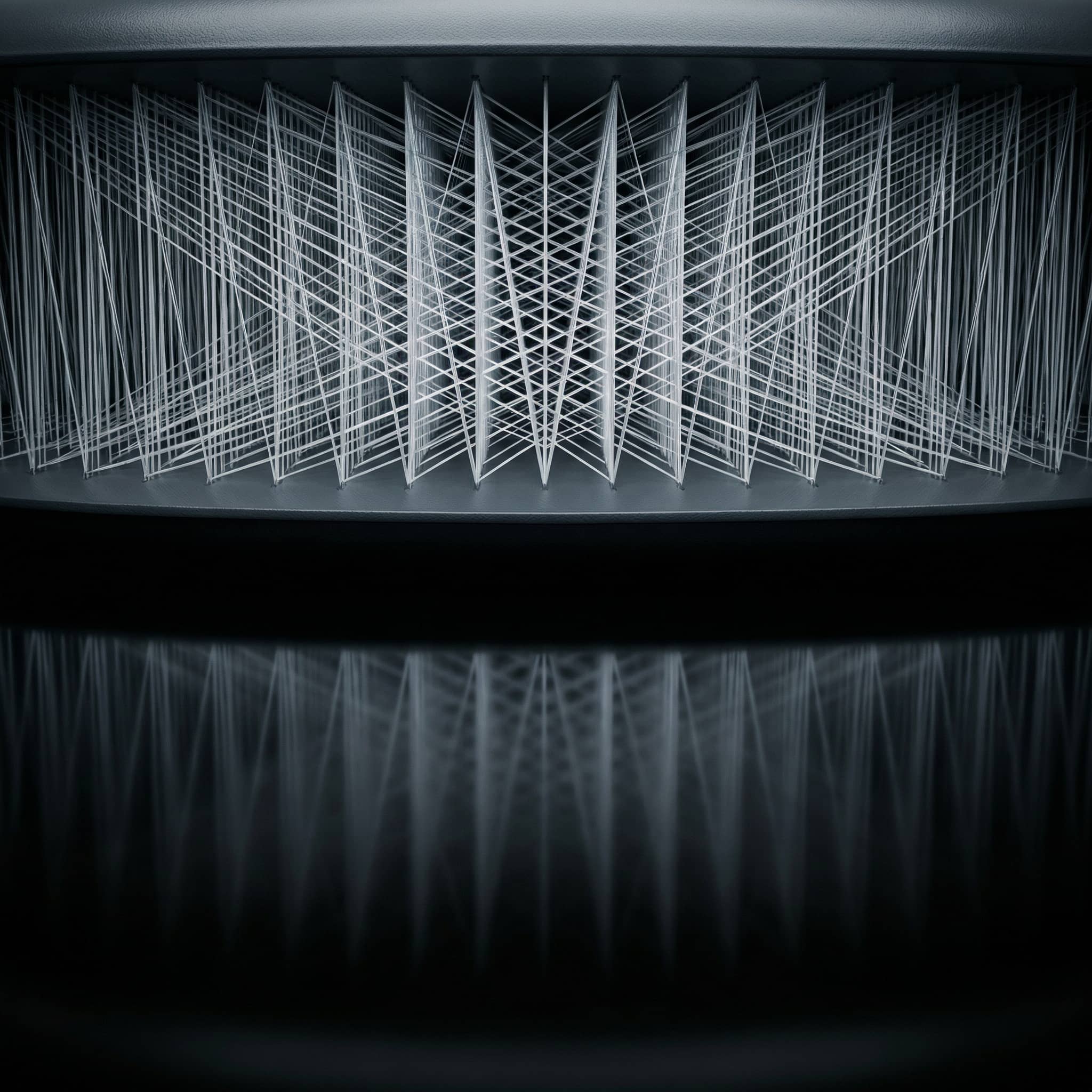
When sourcing inflatable Stand-Up Paddle boards (SUPs) for your brand, the conversation often revolves around single-layer versus double-layer PVC. However, the true secret to a board’s weight, stiffness, and performance lies deeper inside: the Drop-Stitch Core itself.
Not all drop-stitch fabrics are created equal. As a leading OEM/ODM manufacturer, MANTARAL engineers work with both Knitted DWF (Double Wall Fabric) and advanced Woven DWF.
But what exactly is the difference? And more importantly, which technology will yield the best Return on Investment (ROI) for your specific target market? Let’s dive into the core of premium SUP manufacturing.
1. Knitted Drop-Stitch: The Industry Standard
Knitted drop-stitch has been the backbone of the inflatable water sports industry for years. In this process, the nylon threads connecting the top and bottom layers are knitted together in a somewhat flexible, interlocking loop pattern.
-
The Pros: It is highly cost-effective, easy to manufacture, and provides excellent durability. It allows brands to produce reliable, entry-level to mid-range boards with healthy profit margins.
-
The Cons: Because knitting inherently has some stretch (think of a knitted sweater), the board requires more raw material and thicker PVC layers to achieve high rigidity. This makes the final product slightly heavier.
-
Best For: All-around recreational boards, budget-friendly retail brands, and heavy-duty rental fleets where absolute lightweight performance is not the primary concern.
2. Woven Drop-Stitch: The High-Performance Revolution
Woven drop-stitch represents the cutting-edge evolution of SUP manufacturing. Instead of looping the threads, the top and bottom fabrics are woven with yarns crossing at precise right angles (like a traditional tightly woven basket).
-
The Pros: Woven fabric has almost zero stretch. Because the core is inherently stiffer, manufacturers can use less PVC coating to achieve a rock-hard board. The result is a paddle board that is significantly stiffer, more responsive, and up to 1.5 to 2 kg (3-4 lbs) lighter than its knitted counterpart.
-
The Cons: The manufacturing process is slower and the raw woven material is more expensive, meaning a higher wholesale cost.
-
Best For: Premium touring boards, racing SUPs, and high-end brands that want to market ultra-lightweight, elite-level performance to experienced paddlers.
Making the Right Choice for Your Brand
At MANTARAL, we don't believe in a one-size-fits-all approach. If you are launching a mass-market lifestyle brand, our high-density Knitted DWF provides the perfect balance of price and durability. If your goal is to disrupt the premium market with ultra-light, rigid performance boards, our Woven DWF is your ultimate weapon.